Restaurant Mark (CLOSED/CHIUSO)
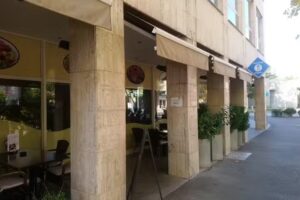
BackAt Markova pot 25 in Šempeter pri Gorici, in an attractive location on the top of Markov Hill, it is no longer possible to experience culinary performances today, as the Mark Restaurant has permanently closed its doors. Despite the fact that the establishment is no longer in operation, the legacy of this space, especially from the period around 2014, has remained recorded in online archives and the memories of visitors. This was not just an average inn ; for a short time, it became the stage for one of the most recognizable Slovenian culinary faces of the time.
The central figure who marked the most famous period of the Mark Restaurant was chef Tomaž Škvarč Lisjak, the winner of the then extremely popular television show "Gostilna isče šefa". His victory and recognition catapulted the restaurant to the most media-exposed catering establishments in Slovenia. For many visitors, this was not just a visit to the restaurant for lunch or dinner , but an opportunity to meet a television star and experience his cuisine live. This connection with pop culture defined the identity of the establishment and attracted an audience that enthusiastically followed the chef's path to victory.
Culinary experience as a reality show
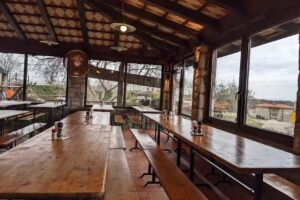
The approach to service and food was anything but classic. As critics of the time described it, the culinary experience was designed as a kind of "real taste show", where the chef himself played the main role. Tomaž Škvarč Lisjak was not only the creator of the dishes in the kitchen, but also their main representative and storyteller at the table. He personally accompanied each plate with an explanation, which created a unique interactive dynamic between the chef and the guest. This performative element was the highlight of the evening for some, while others felt that the chef's ego sometimes overshadowed the food itself. The interior, with its lilac-hued walls and empty picture frames, served as a backdrop for this show, where the food was the center of attention, but closely connected to the personality of its author.
Menu and offer analysis
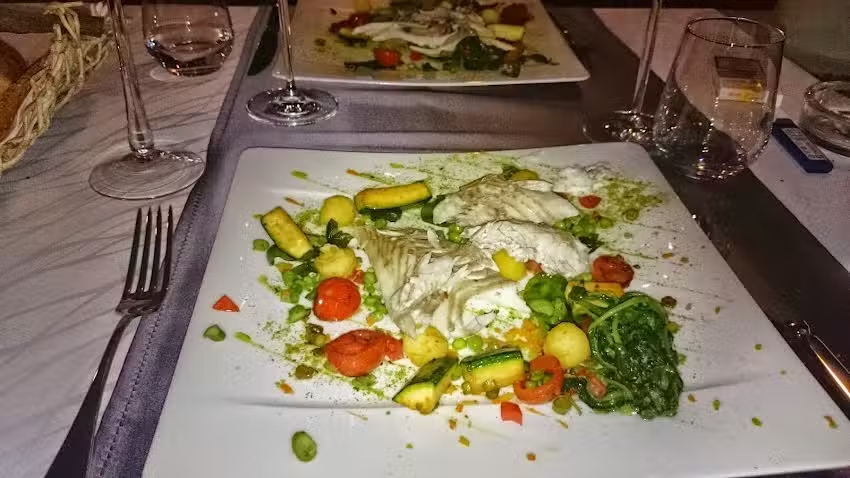
Although a detailed menu from that time has not been preserved in its entirety, notes and reviews offer a good insight into the catering offerings . The cuisine was bold, modern and complex. The chef's motto was that there should be up to "25 flavors on the plate", which shows his penchant for multifacetedness and experimentation. The menu included both meat dishes and seafood , often transformed in unexpected ways.
- Innovative starters: Among the dishes mentioned was a take on the classic fish & chips dish, which included fried mackerel, potato chips, smoked cottage cheese and homemade mayonnaise. Another creation combined sea bass carpaccio, trout "eggs", wild berries and pomegranate foam, a rather unconventional combination for the time.
- Main courses: The main course featured pork belly, prepared using the slow-cooking technique (20 hours at 75 degrees), served with a host of accompaniments such as dehydrated beetroot, fried spinach leaves and polenta. This "lots of everything" approach was the chef's trademark.
- Desserts: Desserts also followed this philosophy, as guests were served an entire "book of experiences" at the end - a set of five different desserts that rounded out the rich experience.
This style was polarizing. On the one hand, it offered an exciting journey through flavors and textures, on the other, some critics felt that less is sometimes more and that dishes would shine even more with fewer ingredients. Nevertheless, there is no denying that good food was on offer, pushing boundaries and encouraging thinking about what could be served on a plate.
The good and bad sides of a former restaurant
If a potential guest were to evaluate Restaurant Mark today based on the available information, they could highlight several key points.
Advantages (during operation):
- Unique concept: The connection with a television star and performative service created a unique experience that went beyond just eating.
- Innovative cuisine: The cuisine was creative and ambitious, ideal for guests looking for something new and different from the classic offerings.
- Media visibility: The restaurant was a destination in itself, attracting fans of the cooking show and culinary enthusiasts from all over Slovenia.
Disadvantages and reality today:
- Permanently Closed: The most important fact for anyone looking for this place today is that it is no longer in business. Any planning for a visit is unnecessary.
- Subjective experience: The chef-centric approach meant that the experience was heavily dependent on whether the guest connected with their style. For those looking for a quiet, traditional dinner, this concept was probably not the best fit.
- Limited digital footprint: Despite its former fame, the restaurant has relatively few lasting digital traces left behind, aside from a few articles from 2014 and a handful of textless reviews. This is a testament to the fleeting nature of fame based on momentary media popularity.
In short, the Mark Restaurant in Šempeter pri Gorici was an important, albeit short-lived, phenomenon on the Slovenian culinary scene during its operation under the leadership of Tomaž Škvarč Lisjak. It was an example of a restaurant whose identity was inextricably linked to the media image of its chef. Today, all that remains is the memory of a bold culinary experiment that shone briefly in the spotlight before finally fading away.