
Inn
BackAt the address Ljubljanska cesta 73 in Slovenska Bistrica, there used to be a restaurant called Gostilnica, which is now permanently closed, but its memory remains vivid and eloquent among former guests. With an average rating of 4.5 out of 5, collected on the basis of 66 reviews, it is clear that it was a popular place, but, as a closer analysis shows, it was not without its shortcomings. The reviews paint a picture of a place with two faces: on the one hand, ambitious cuisine, and on the other, occasional mistakes and inconsistencies that spoiled an otherwise positive experience.
A concept that promised: "Fine dining" for every day
The restaurant positioned itself on the local restaurant scene with an interesting and modern approach, especially when it came to offering daily meals. Many guests described it as a place where brunch and lunch were elevated to a higher level. One commentator described the offer as "a bit of fine dining", which testifies to the fact that the cuisine strived for excess and offered more than just classic meals. The head chef was often praised for his culinary skills, and the dishes were described as extremely tasty and prepared with feeling. This emphasis on quality was a key part of the restaurant's identity.
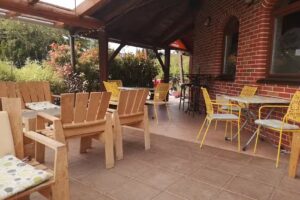
The interior photos, which are still available, show a pleasant and modernly decorated ambience. The space appeared clean, tidy and warm, creating an inviting atmosphere for guests. This carefully designed interior complemented the culinary vision and promised a complete culinary experience . The friendliness of the staff was another frequently mentioned positive feature, as guests mostly felt welcome and the service was on point.
Value for money as a key advantage
One of the greatest advantages of the Inn was undoubtedly its reasonable prices for the quality offered. Guests were delighted to receive a complete meal for a reasonable price, which often included soup, salad and a main course. This combination of high quality and affordability was a magnet for many who were looking for good food without excessive costs. In a world where restaurants are often expensive, the Inn managed to find a market niche that appealed to a wide range of people, from employees having lunch to families having lunch.
Flaws that tarnished reputation
Despite the many accolades, the restaurant was not immune to its flaws. It was these inconsistencies that left a bitter taste in the mouth of some guests and may have contributed to the restaurant's short life. Criticisms were directed at both the food itself and the service and organizational aspects.
Inconsistency in the kitchen
Although the chef was generally praised, there were occasional notable errors. One of the most detailed criticisms concerned the hamburger. The guest described how the hamburger was overcooked, the meat crumbly, and the bun had shrunk to just half a centimeter thick when she first touched it. The dish, which looked great on the surface, was in fact a huge disappointment. Even more problematic was the staff's response to the complaint. Instead of apologizing or offering an alternative solution, they defended themselves with excuses that "others don't complain," that "the chef is really good," and that the guest "just got a worse-cooked one." Such an approach shows a lack of professionalism and a misunderstanding of the basics of hospitality, where guest satisfaction comes first.
Other guests also noted fluctuations in quality. They mentioned soups that were not "surplus", as the vegetables in them were often overcooked. This shows that attention to detail was not always at the highest level, which contradicts the ambition of offering a "fine dining" experience.
Logistical and organizational challenges
In addition to culinary blunders, guests were also bothered by some practical issues. One common problem was finding a parking space, which could be stressful even before entering the restaurant . Nowadays, accessibility is an important factor when choosing a place, and the lack of parking is an obvious disadvantage.
Another, rather unusual restriction for a modern hospitality business was the payment policy. Accepting only cash payments for amounts under 10 euros was inconvenient and impractical for many guests. Such rules may turn off customers who are used to the ease of card transactions, regardless of the amount.
Legacy Inns
Although the restaurant is no longer in operation, its story offers important insight into the challenges of the hospitality business. On the one hand, it had a winning formula: a modern approach to Slovenian cuisine (especially for brunch), a talented chef, a pleasant atmosphere and an excellent price-quality ratio. These are the foundations on which a long-term successful story could be built.
On the other hand, it was undermined by inconsistencies, which manifested themselves in the occasional poorly prepared dishes and, worse, in the inadequate response to criticism. Success in the hospitality industry depends not only on how well you do when everything is perfect, but above all on how you respond when something goes wrong. The experience with the disappointed guest over the hamburger is a textbook example of how complaints should not be handled. Instead of resolving the situation with a small act of kindness (a discount, a free dessert), they created a negative experience that resonated longer than the praise.
The inn in Slovenska Bistrica is remembered as a restaurant with great potential, but one that failed to fully fulfill its mission. It was proof that it is possible to offer delicious food at affordable prices, but also a reminder that success requires consistency, professionalism, and attentiveness to the guest at all times.