Apolonia Inn Marica Kocjan SP
BackAt Šmarje pri Sežani 79, there is a story of culinary transformation that speaks to the dynamism and constant search for identity in the world of hospitality. While the official data for the legal entity Gostilna Apolonia Marica Kocjan SP shows that it has permanently closed its doors, the location itself lives on and tells the story of several different eras and culinary philosophies. This article is not a look at a closed chapter, but an analysis of the path that led to the current image known as Residence Apolonija.
The period of marine creativity
Around 2011, the restaurant underwent a revival under the management of Marica Kocjan and her daughter Polona Kalšek. The vision at the time was bold and focused on haute cuisine, based on Mediterranean flavors. A detailed article from 2013 reveals that the restaurant was then focused on seafood , interspersed with local ingredients from the home garden and the wider Karst landscape. This was not classic home cooking in the sense of traditional recipes, but a modern and creative interpretation that aimed for the very top of the Karst catering offer.
The tasting menu from that time testifies to exceptional creativity:
- Sea bass carpaccio with Karst honey and truffles.
- Shrimp with pears, spicy gorgonzola and Amaretto liqueur.
- Homemade cuttlefish noodles with lobster and peppers.
- Swordfish wrapped in bacon on a bed of eggplant with orange cream.
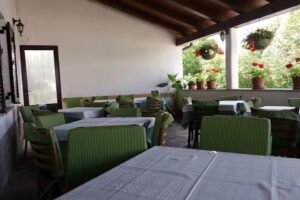
This offer shows a clear orientation towards more demanding guests looking for a unique culinary experience . The ambience was also suitable for this – described as warm, tastefully furnished and intimate, as it could accommodate up to twenty guests, which allowed for a personal approach. At the time, the inn also sold homemade products, such as truffle honey, jams and homemade pasta, which further emphasized their commitment to quality and local produce.
An unexpected turn to meat
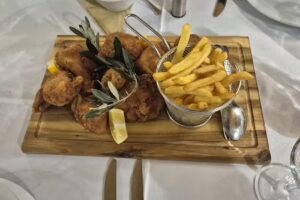
Despite the obvious success and positive reviews, a surprising turn of events occurred in the following years. A visitor's review from 2014, just over a year after the publication of the article about seafood cuisine, paints a completely different picture. It mentions another change of management and a complete change of concept. The restaurant abandoned seafood specialties and switched exclusively to meat dishes. According to the guest, the menu was significantly reduced and focused on only one type of offering.
This decision undoubtedly posed a risk, as it meant the loss of the identity that had been so carefully built. For guests who were familiar with the previous offer, this was a shock. However, it should be emphasized that the same guest, although a fish lover, praised the quality of the meat dishes. This shows that the level of the cuisine remained high, even though the philosophy had changed drastically. The pleasant atmosphere was also preserved, which visitors described as neat, calm and relaxing. This transition is the biggest unknown in the history of the inn – why they gave up a successful concept in favor of a much more niche and limited offer remains an open question.
Constants over time: ambiance and breakfast
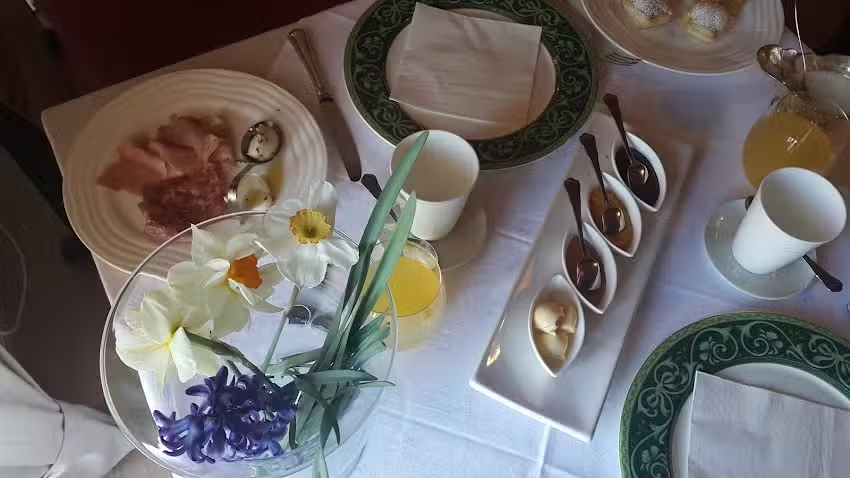
Regardless of the culinary orientation, two key positive features have remained over the years. The first is the aforementioned ambiance, which guests have consistently praised as peaceful and relaxing throughout. The second, perhaps even more important, was the breakfast. The 2015 review, which said "Best breakfast ever!", stands out for its enthusiasm. This praise is not an isolated example, as the idea of an exceptional morning meal carries over into today's incarnation of the location.
Transformation into Residence Apolonija
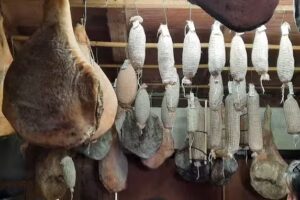
Today, the same address houses Residence Apolonija, a family residence with rooms and a restaurant. Although the legal entity of the original inn no longer exists, the spirit of hospitality has clearly survived. The website of the current inn emphasizes inspiration in the rich Karst culinary tradition and the use of produce from local farmers. They particularly highlight a good breakfast , consisting of locally grown, fresh ingredients and homemade bread. In doing so, they seem to have combined the best of their past: a commitment to local ingredients from the maritime period and a focus on Karst specialties, which also include top-notch meat dishes , such as prosciutto.
From all the information gathered, the "permanent closure" is just a bureaucratic end to a name. In reality, it was an evolution. The biggest flaw or negative side of this story has been the obvious volatility and lack of a clear long-term vision in the past, which can be confusing for guests. On the other hand, the greatest strength of this location is its ability to survive and adapt, while maintaining high standards of quality, whether it's superb seafood platters, perfectly prepared meats or an unforgettable breakfast.